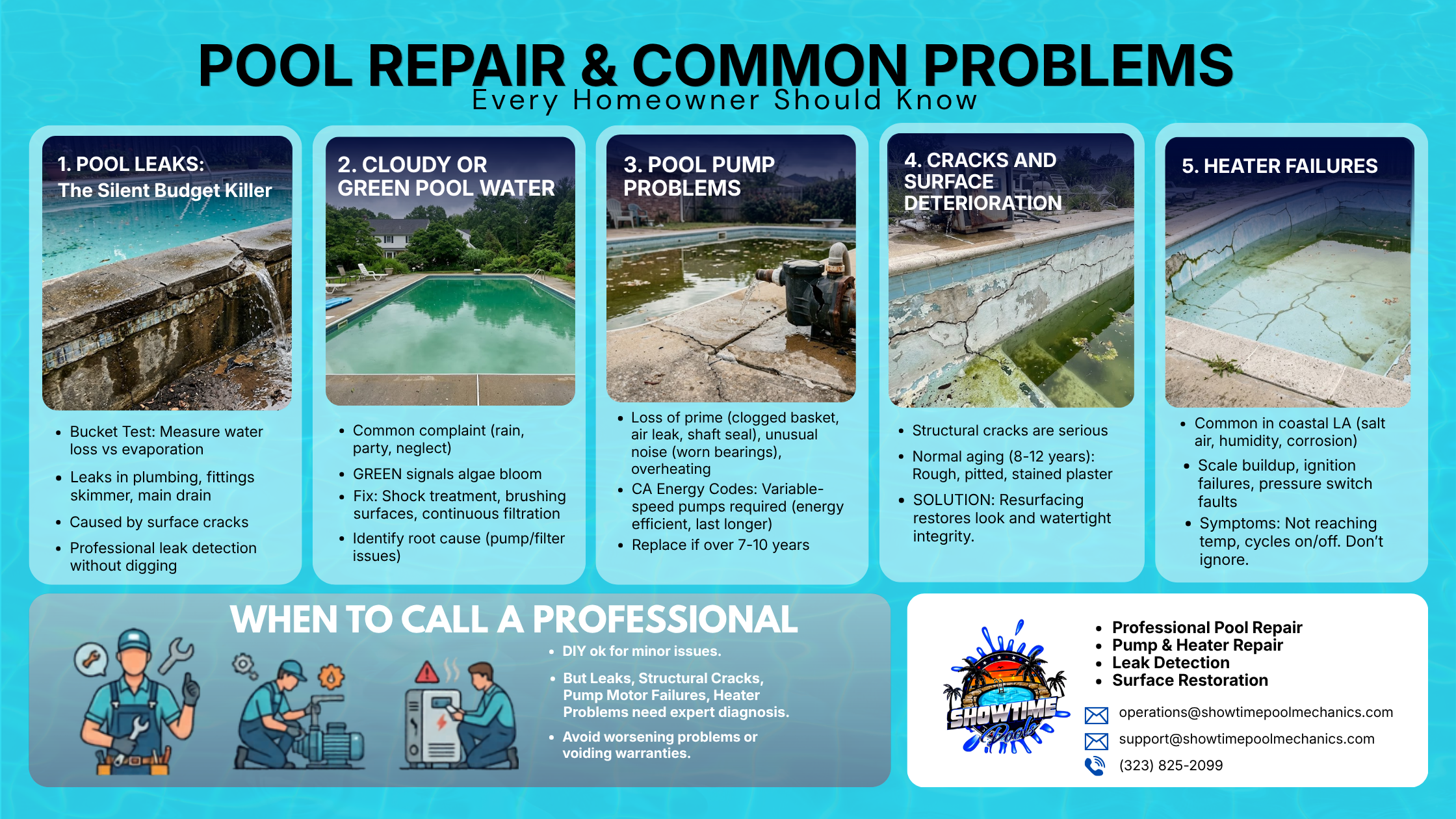
Pool Repair & Common Problems Every Homeowner Should Know
No matter how well you maintain your pool, problems will eventually arise.
From mysterious water loss to green water outbreaks, Los Angeles pool owners face a unique set of challenges driven by the region's climate, hard water, and heavy year-round use. Knowing how to recognize common pool problems early and understanding when to call a professional can save you thousands of dollars in repair costs.
1. Pool Leaks: The Silent Budget Killer
One of the most frustrating and costly pool problems is a leak. The tricky part? Not all water loss is a leak — Los Angeles pools lose water naturally through evaporation, especially in summer. A simple bucket test can help you tell the difference: fill a bucket with pool water, set it on a step, and mark both water levels. After 24 hours, if the pool has lost significantly more water than the bucket, you likely have a leak.
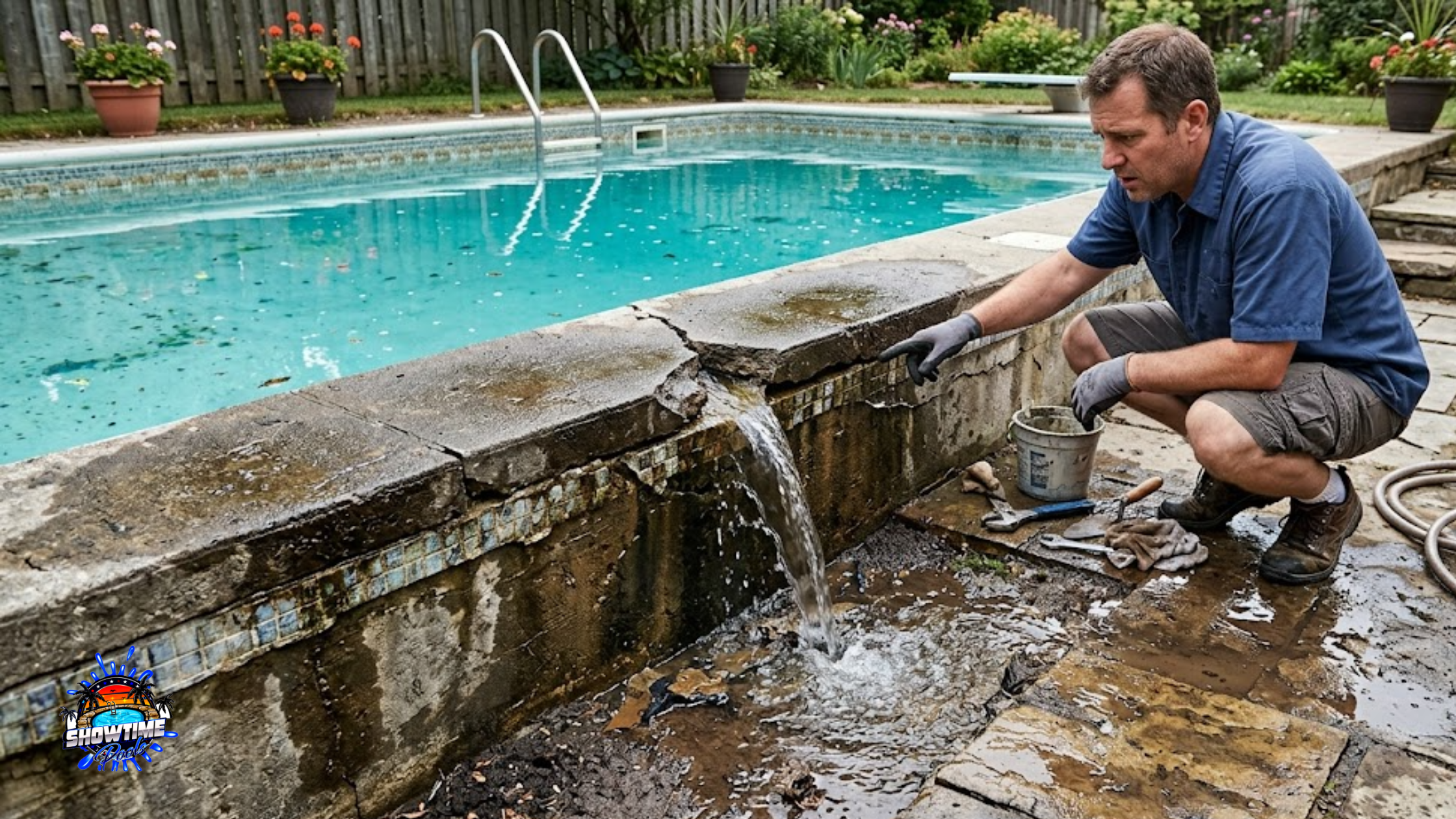
Leaks commonly occur at plumbing connections, fittings, the skimmer, or the main drain. Surface cracks in plaster or gunite are also frequent culprits. Left unaddressed, even a small leak can erode your pool's structure, damage surrounding landscaping, and spike your water bill dramatically. If you suspect a leak, a professional leak detection service can pinpoint the source without unnecessary digging.
2. Cloudy or Green Pool Water
Cloudy water is one of the most common complaints from LA pool owners, especially after heavy rain, a pool party, or a period of neglect. The causes range from imbalanced pH and low chlorine to poor filtration or the early stages of an algae bloom.
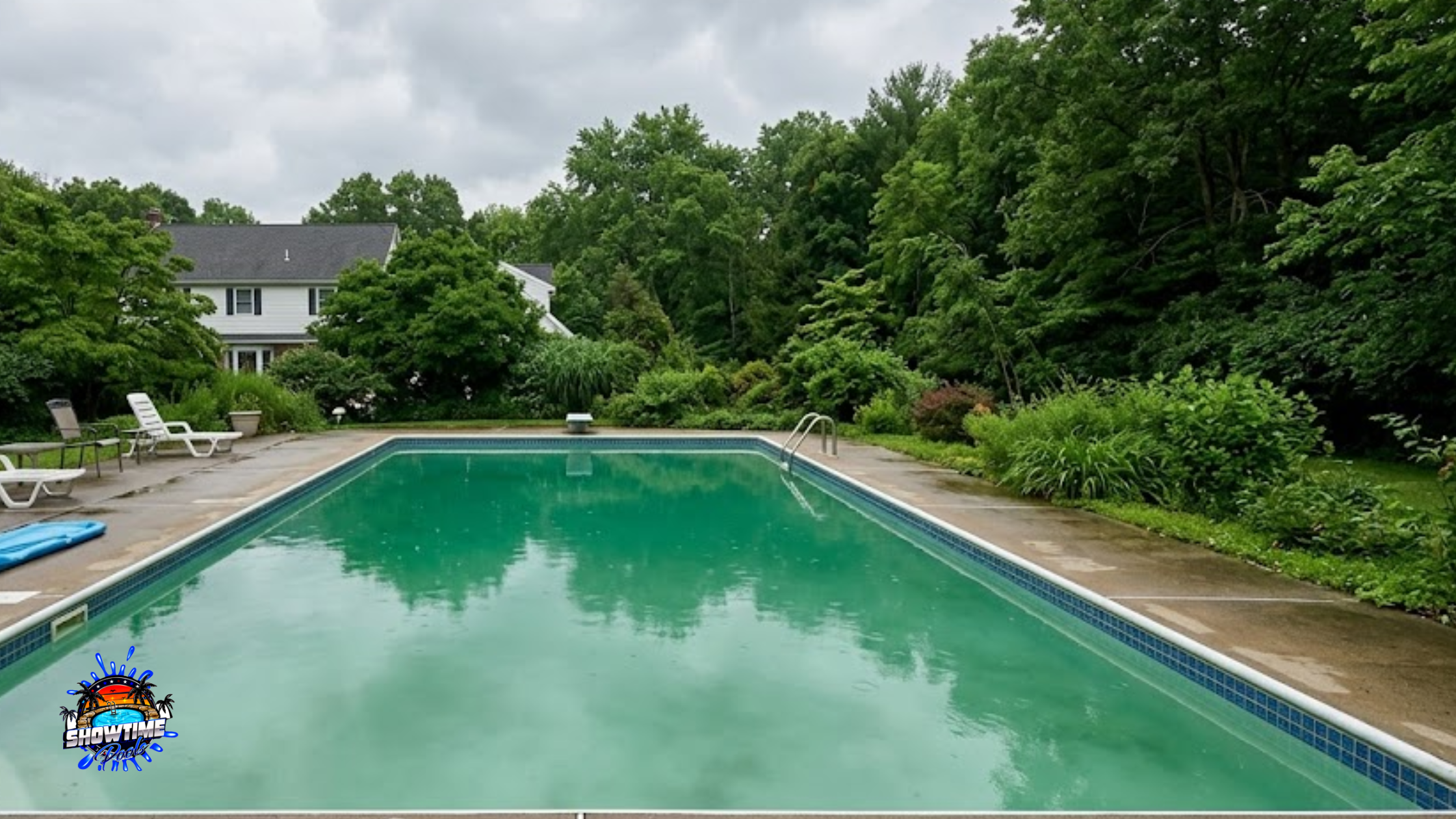
Green water almost always signals an algae outbreak a result of chlorine levels dropping too low, often accelerated by the intense Southern California sun. The fix involves shock treatment (super-chlorination), brushing all surfaces thoroughly, and running the filter continuously until the water clears.
Always identify the root cause before treating: if your pump or filter isn't functioning correctly, the algae will return quickly.
3. Pool Pump Problems
Your pool pump is the heart of the circulation system. Common pump issues include loss of prime (the pump can't draw water), unusual noise, overheating, and complete failure. Loss of prime is often caused by a clogged strainer basket, air leak in the suction line, or a failing shaft seal. Grinding or screeching sounds typically indicate worn bearings.
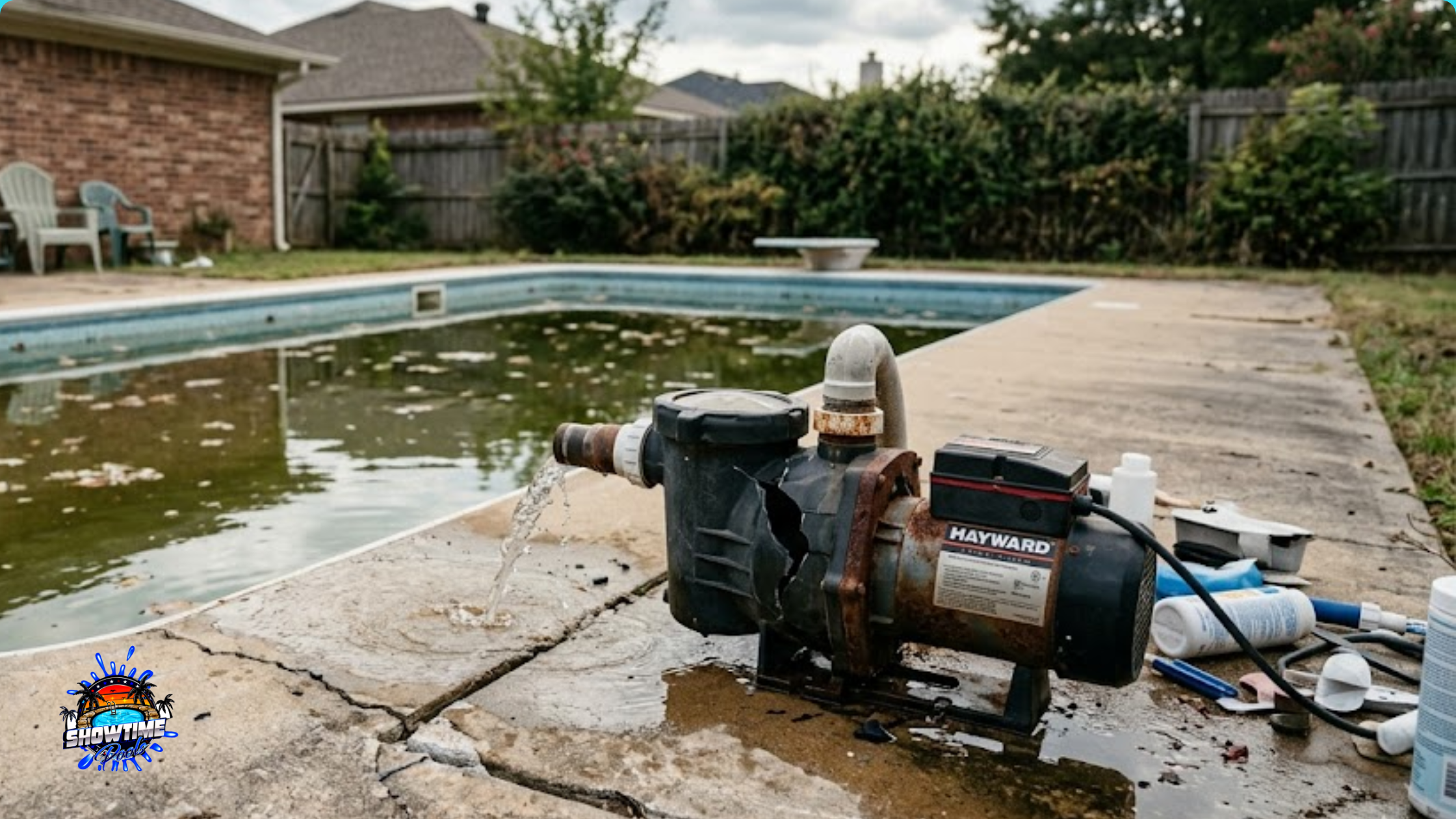
In Los Angeles, where pools run year-round, pump components wear out faster than in seasonal climates. Variable-speed pumps now required by California energy codes for new installations are more energy-efficient and tend to last longer than older single-speed models.
If your pump is more than 7–10 years old and showing repeated issues, replacement is often more cost-effective than ongoing repairs.
4. Heater Failures Cracks and Surface Deterioration
Pool heater problems are especially common in coastal Los Angeles areas where salt air and humidity accelerate internal corrosion. The most common issues include scale buildup on the heat exchanger (from LA's hard water), ignition failures in gas heaters, and pressure switch faults.
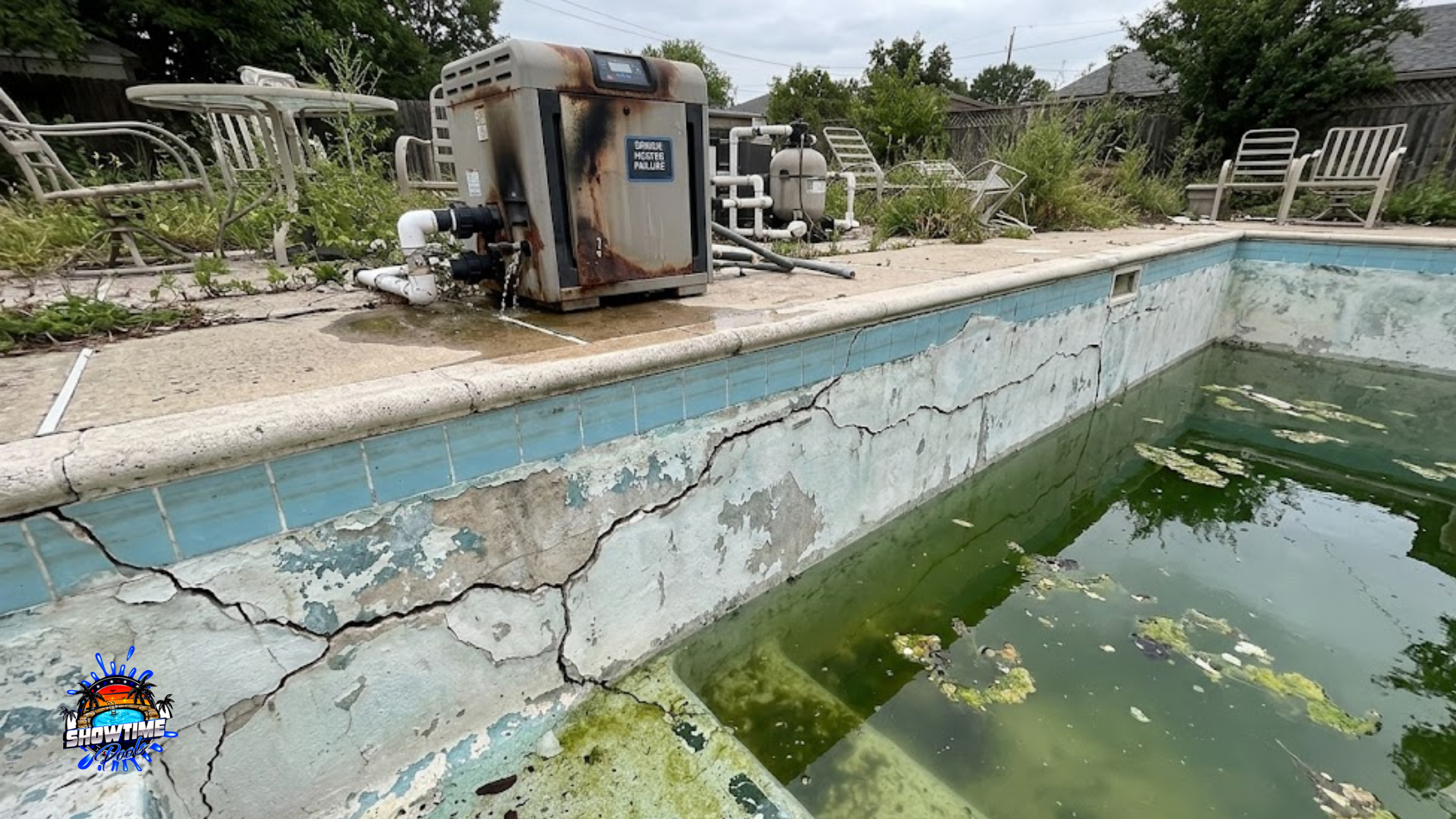
If your heater is running but the water temperature isn't reaching your set point, or if the unit cycles on and off repeatedly, don't ignore it. These symptoms often indicate a recoverable issue a dirty heat exchanger, a failing pressure switch, or a simple thermostat problem but they can escalate into full heater failure if left unaddressed.
5. Cracks and Surface Deterioration
Structural cracks in pool plaster, gunite, or fiberglass are a serious concern. Hairline cracks may be cosmetic, but wider cracks that grow over time can signal structural issues or become pathways for significant water loss. Los Angeles's seismic activity adds an additional risk factor for pool structure integrity compared to other regions.
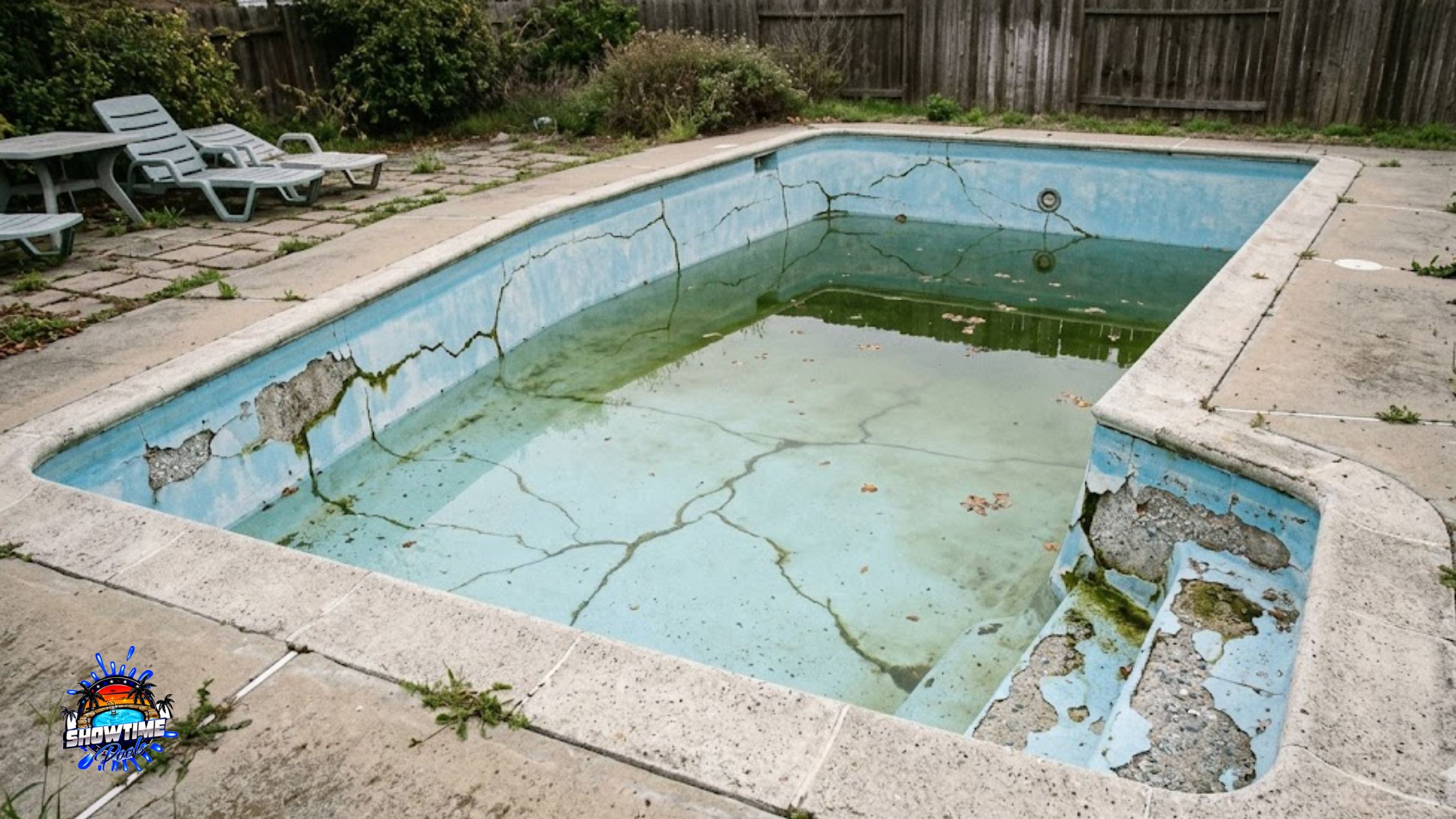
Surface deterioration rough, pitted, or stained plaster is a normal part of pool aging that typically appears after 8–12 years. Resurfacing restores both the look and the watertight integrity of the pool shell.
If you're noticing rough patches, visible aggregate, or persistent staining that won't respond to cleaning, it may be time to discuss a resurface with your pool professional
SUMMARY
When to Call a Professional
DIY troubleshooting can address minor issues like cloudy water, clogged baskets, and minor chemical imbalances.
But pool leaks, structural cracks, pump motor failures, and heater problems all require professional diagnosis and repair. Attempting complex repairs without the right tools or expertise can worsen the problem and void equipment warranties.
Showtime Pools provides professional pool repair services across Los Angeles — from pump and heater repair to leak detection, plumbing fixes, and surface restoration. Our team diagnoses quickly, communicates clearly, and fixes it right the first time.
